
ultra mf toric fitting guide
Alcon’s launch of TOTAL30 Multifocal for Astigmatism signifies a pivotal advancement, addressing presbyopic astigmats with enhanced daily disposable lens technology.
What are Ultra Multifocal Toric Contact Lenses?
Ultra Multifocal Toric contact lenses represent a sophisticated solution for individuals experiencing both presbyopia and astigmatism. These daily disposable lenses, like Alcon’s TOTAL30 Multifocal for Astigmatism, are designed to correct vision at multiple distances – far, intermediate, and near – while simultaneously addressing corneal astigmatism.
Unlike traditional multifocal lenses, toric versions incorporate a specific power and axis correction to counteract the irregular curvature of the cornea. This unique design ensures sharper, clearer vision for patients who previously relied on glasses or struggled with conventional contact lenses. The advanced material properties prioritize comfort and breathability, crucial for extended wear.
The Growing Need for Multifocal Toric Lenses
The demand for multifocal toric lenses is escalating as the population ages and daily disposable lens wearers reach presbyopia. Clinicians face the challenge of supporting these patients in achieving their desired vision, a task complicated by the increasing prevalence of astigmatism.
Prescribing surveys, conducted between 2007 and 2011 across 39 countries, highlight global trends in toric lens fitting. This growing need necessitates streamlined fitting processes and increased success rates, prompting advancements like Alcon’s TOTAL30. Understanding statistical considerations within survey data is vital for informed clinical decisions.
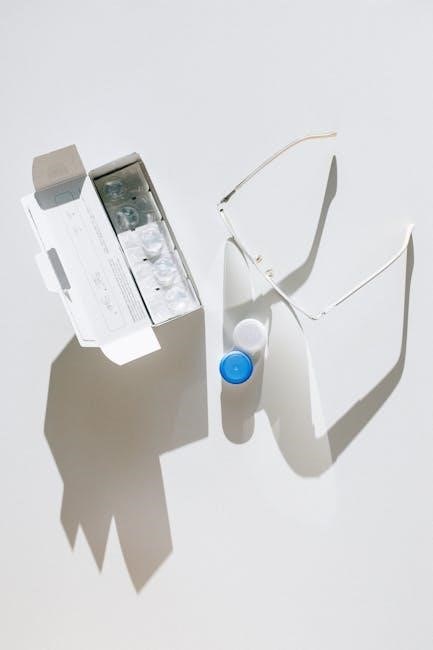
Patient Assessment & History
Comprehensive eye examinations are crucial for successful ultra multifocal toric fitting, alongside detailed refraction and a thorough understanding of individual visual needs.
Comprehensive Eye Examination
A detailed comprehensive eye examination forms the bedrock of successful ultra multifocal toric lens fitting. This extends beyond standard refraction, encompassing a meticulous evaluation of ocular health. Assess tear film stability, as dryness can significantly impact lens comfort and visual performance.
Evaluate eyelid structure and function to rule out any contributing factors to discomfort or lens displacement. Careful attention to corneal health is paramount, identifying any irregularities or scarring that might influence lens fit.
Pupil size assessment, particularly in varying light conditions, is also essential, influencing lens design choices and potential for visual aberrations. A complete ocular health assessment ensures patient safety and optimizes the fitting process.
Refraction & Visual Needs Analysis
Accurate refraction is crucial, including both distance and near vision assessment, utilizing cycloplegia when appropriate, especially for patients with accommodative spasm. Determine the patient’s add power needs precisely, considering their lifestyle and visual demands.
A thorough visual needs analysis is paramount; understand their primary visual tasks – computer use, reading, driving – and distances involved. This informs the lens design and power selection.
Question patients about their current spectacle or contact lens wear, noting any specific complaints or preferences. This detailed understanding guides the fitting process, maximizing patient satisfaction and visual outcomes with ultra multifocal toric lenses.
Assessment of Astigmatism
Precisely quantify astigmatism using corneal topography and keratometry; note both magnitude and axis. Evaluate for irregular astigmatism, as this may impact lens selection and fitting success. Consider the patient’s spectacle RGP wear history, as this can influence corneal shape.
Assess the stability of the astigmatic axis; fluctuations can lead to rotational instability with toric lenses. Document any corneal scarring or irregularities that could affect lens fit and comfort.
A comprehensive understanding of the patient’s astigmatism is vital for successful ultra multifocal toric lens fitting, ensuring optimal visual acuity and minimizing complications.
Presbyopia Evaluation
Thoroughly assess the patient’s near vision demands and reading habits; determine their preferred reading distance. Quantify the add power required for comfortable near vision, utilizing both subjective and objective methods. Consider the patient’s visual complaints, such as difficulty with intermediate distances or fluctuating vision.
Evaluate accommodative amplitude and flexibility to understand the patient’s ability to focus at different distances.
Recognize that presbyopia often coexists with astigmatism, necessitating a multifocal toric lens solution to address both refractive errors simultaneously for optimal vision.
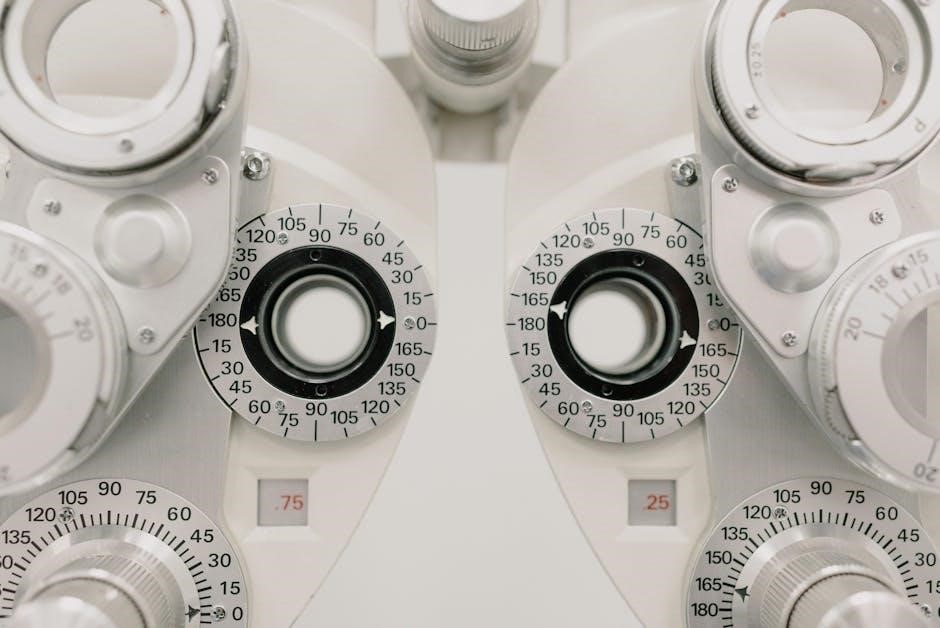
Lens Selection & Parameters
Selecting the appropriate lens involves careful consideration of base curve, power (sphere, cylinder, add), axis alignment, and diameter to maximize visual acuity.
Base Curve Selection
Determining the optimal base curve is crucial for successful ultra multifocal toric lens fitting, impacting lens centration, tear film dynamics, and overall comfort. Initial selection often relies on keratometry readings, considering both central and peripheral corneal curvature. However, relying solely on keratometry can be insufficient; a diagnostic fitting set is invaluable for refining the base curve choice.
Clinicians should evaluate lens movement and corneal coverage during the trial fitting. A steeper base curve may enhance centration but could increase corneal touch, while a flatter curve might lead to decentration and instability. Careful observation of fluorescein patterns helps assess the fit and identify areas of impingement or pooling.
Power Selection – Sphere, Cylinder, and Add
Accurate refraction is paramount, encompassing both distance and near vision needs, especially as patients transition into presbyopia. Start with the patient’s existing spectacle prescription, refining it through subjective refraction, paying close attention to add power determination. For toric lenses, precise cylinder and axis alignment are critical.
Consider utilizing over-refraction techniques during the trial fitting to fine-tune the sphere and cylinder components. The add power should be optimized to provide clear near vision without compromising distance acuity. Remember that multifocal designs require a balance between distance and near correction, potentially necessitating a slight compromise in either.
Axis Alignment Considerations
Precise axis alignment is crucial for maximizing visual acuity and minimizing astigmatic blur with toric lenses. Incorrect axis alignment can lead to rotation, instability, and reduced visual performance. Careful keratometry readings are essential to accurately determine the corneal astigmatism axis.
During the trial fitting, assess lens centration and movement to identify any potential axis misalignment. Utilize slit-lamp biomicroscopy to evaluate lens position and rotation. If rotation occurs, consider adjusting the lens design or parameters. Patient feedback regarding visual clarity and comfort should also guide axis refinement.
Diameter and Fitting Philosophy
Lens diameter significantly impacts centration, stability, and comfort. A well-fitted diameter ensures adequate coverage of the cornea while minimizing interaction with the eyelids. Generally, a slightly larger diameter promotes better centration, particularly in steeper corneas.
The fitting philosophy should prioritize optimal vision and all-day comfort. Consider the patient’s corneal diameter and lid tightness when selecting the appropriate lens size. Diagnostic fitting sets are invaluable for evaluating multiple diameters. Monitor lens movement and assess for any signs of binding or discomfort during the trial period to refine the diameter selection.
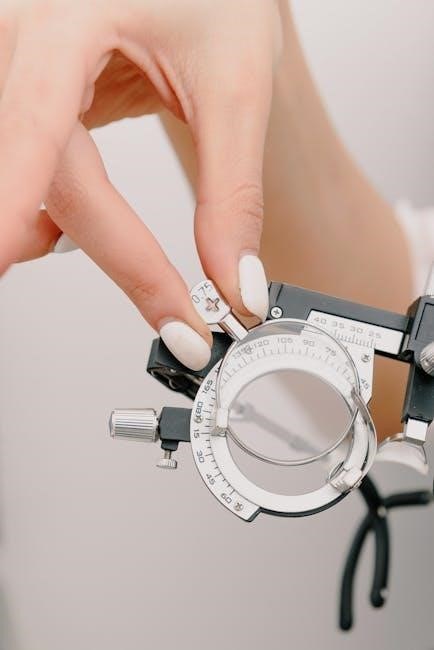
Fitting Process – Initial Lens Trial
Initial trials involve over-refraction and careful evaluation of centration, movement, and visual acuity at both distance and near, ensuring optimal performance.
Over-Refraction Techniques
Over-refraction is a crucial step in refining the multifocal toric fit, allowing for precise adjustments to optimize visual performance. Begin by over-refracting over the trial lens, noting any changes needed in sphere, cylinder, or add power. This technique helps to fine-tune the prescription, addressing residual refractive error and maximizing both distance and near vision clarity.
Carefully assess the patient’s subjective responses, paying attention to any reported haloes, glare, or fluctuations in vision. Small adjustments during over-refraction can significantly impact the overall success of the fit, particularly in managing the complexities of combined astigmatism and presbyopia. Document all changes meticulously for accurate record-keeping and future adjustments.
Evaluating Lens Centration & Movement
Proper centration and movement are paramount for optimal multifocal toric lens performance. Assess lens position on the cornea, ensuring it remains centered during primary and secondary gaze. Observe lens movement with blinks, verifying adequate movement to avoid corneal hypoxia but sufficient stability to maintain the intended optical zone alignment.
Excessive movement can cause fluctuating vision, while insufficient movement may lead to discomfort. Evaluate for any signs of lens rotation, which can compromise astigmatic correction. A well-centered and appropriately moving lens is fundamental for delivering clear and comfortable vision for presbyopic astigmats.
Assessing Visual Acuity at Distance & Near
Thorough visual acuity testing at both distance and near is crucial throughout the fitting process. Begin with distance acuity to confirm the spherical, cylindrical, and axial correction is optimized. Then, evaluate near vision, utilizing a standard near addition chart, to assess the multifocal component’s effectiveness.
Compare acuity with and without the lens, noting any improvements or regressions. Monocular and binocular acuity should be measured. Address any discrepancies by refining the add power or lens parameters. Successful multifocal toric fitting aims to provide clear vision at all distances, enhancing the patient’s daily life.

Troubleshooting Common Fitting Challenges
Addressing issues like poor acuity, lens rotation, discomfort, or haloes requires careful evaluation and parameter adjustments for optimal vision and patient satisfaction.
Poor Visual Acuity
When patients experience suboptimal vision with TOTAL30 Multifocal for Astigmatism, a systematic approach is crucial. Begin by verifying the spectacle refraction and ensuring accurate entry into the lens ordering system. Confirm proper lens centration and movement during the trial fitting; decentration can significantly impact visual performance.
Next, over-refraction is essential to fine-tune the sphere, cylinder, and add power. Assess visual acuity at both distance and near, noting any fluctuations. Consider the possibility of residual astigmatism or changes in corneal topography. If issues persist, explore alternative lens designs or parameters to optimize the fit and achieve clear, comfortable vision for the patient.
Lens Rotation & Stability Issues
Instability or rotation of TOTAL30 Multifocal for Astigmatism lenses can compromise visual acuity and comfort. Thoroughly evaluate blink dynamics and lid tightness during the initial fitting. Assess corneal topography to identify any irregularities contributing to lens movement. Ensure appropriate lens diameter and base curve selection for optimal interaction with the ocular surface.
If rotation persists, consider a different fitting philosophy or explore diagnostic sets to pinpoint the ideal parameters. Patient education regarding proper lens handling and insertion techniques is vital. Monitor lens position over time and address any contributing factors, such as dry eye or excessive muscle movement, to maintain stable vision.
Discomfort & Dryness
Addressing discomfort and dryness is crucial with TOTAL30 Multifocal for Astigmatism lenses. Evaluate tear film quality and quantity, considering potential underlying dry eye disease. The lens material’s water content and oxygen permeability contribute to comfort, but proper fit remains paramount.
Recommend artificial tears and assess blinking patterns. Ensure the lens isn’t too tight, causing corneal stress, or too loose, leading to inadequate lubrication. Consider a different lens parameter or material if symptoms persist. Patient education on proper lens care and environmental factors impacting dryness is essential for long-term comfort.
Haloes and Glare
Haloes and glare complaints with TOTAL30 Multifocal for Astigmatism often relate to uncorrected higher-order aberrations or suboptimal lens fit. Thorough refraction, including wavefront analysis if available, can identify these issues. Assess pupil size in varying light conditions, as larger pupils may exacerbate symptoms.
Verify accurate axis alignment and spherical power, as even minor errors can induce these visual disturbances. Consider a trial with a different add power or lens design. Educate patients about potential adaptation time and advise avoiding nighttime driving if symptoms are significant and persistent, prioritizing safety.

Advanced Fitting Techniques
Diagnostic sets and corneal topography analysis are crucial for optimizing TOTAL30 Multifocal for Astigmatism fits, especially when pupil size impacts visual performance.
Using Diagnostic Sets
Employing diagnostic sets is paramount when fitting TOTAL30 Multifocal for Astigmatism, allowing for precise refinement beyond initial parameters. These sets facilitate evaluation of various base curves, powers, and toric axes, crucial for maximizing visual acuity and comfort. Clinicians can systematically assess lens centration, movement, and overall fit quality with different diagnostic lenses.
Careful observation of corneal reflections and slit lamp biomicroscopy helps identify any areas of impingement or excessive movement. This iterative process ensures optimal lens-cornea interaction, minimizing potential complications like discomfort or vision distortion. Diagnostic fitting streamlines the process, increasing fitting success and patient satisfaction.
Pupil Size Measurement & Impact
Accurate pupil size measurement is critical when fitting TOTAL30 Multifocal for Astigmatism, as it directly influences lens performance and visual outcomes. Larger pupils may compromise the effectiveness of the multifocal design, leading to increased glare and reduced contrast sensitivity. Conversely, smaller pupils might limit light transmission, impacting vision in low-light conditions.
Clinicians should measure pupil size in both photopic and mesopic illumination to account for variations. This data informs lens selection, ensuring adequate coverage of the multifocal zones and minimizing unwanted optical effects. Considering pupil size alongside other parameters optimizes the fitting process and enhances patient visual experience.
Corneal Topography & Analysis
Comprehensive corneal topography is invaluable when fitting TOTAL30 Multifocal for Astigmatism, providing detailed insights beyond traditional keratometry. Analyzing corneal shape, regularity, and higher-order aberrations helps identify potential fitting challenges and optimize lens selection. Irregularities can impact lens centration and stability, affecting visual acuity and comfort.
Topographic maps reveal the extent and axis of astigmatism, guiding accurate cylinder power and axis alignment. This detailed analysis ensures the lens effectively corrects both refractive error and corneal irregularities, maximizing visual performance and patient satisfaction. Utilizing this data refines the fitting process.

Patient Education & Follow-Up
Thorough instruction on lens handling, care, and wearing schedules is crucial for success with TOTAL30 Multifocal for Astigmatism, alongside scheduled follow-up visits.
Lens Handling & Care Instructions
Emphasize proper hygiene to patients, including washing and drying hands thoroughly before handling lenses. Demonstrate correct insertion and removal techniques, stressing the importance of avoiding nail contact. TOTAL30 lenses are daily disposables; therefore, reinforce that lenses should never be slept in or reused.
Detail the appropriate cleaning and storage solutions – though daily disposables don’t require routine cleaning, explain proper case hygiene if a travel case is used. Advise patients to immediately discontinue wear if any discomfort, redness, or vision changes occur and seek professional evaluation.
Wearing Schedule Recommendations
Given TOTAL30 Multifocal for Astigmatism are daily disposable lenses, a fresh pair should be worn each day to maximize comfort and ocular health. Initially, recommend a trial period of daily wear to assess adaptation and tolerance. Encourage patients to gradually increase wearing time as comfort allows, but always adhere to a daily disposable schedule.
Discuss potential adaptation periods and advise against prolonged initial wear if discomfort arises. Emphasize the importance of following the prescribed wearing schedule and avoiding overwear, as this can lead to complications. Regular follow-up appointments are crucial to monitor adaptation and address any concerns.
Follow-Up Appointment Scheduling
Schedule a follow-up appointment one to two weeks after the initial lens fitting to evaluate adaptation, visual acuity, and overall comfort with TOTAL30 Multifocal for Astigmatism. This allows for necessary adjustments to lens parameters or wearing schedule. Subsequent follow-ups should be scheduled at three and six months to monitor long-term performance and address any emerging issues.
Emphasize the importance of attending these appointments for optimal vision correction and ocular health. Encourage patients to report any discomfort, vision fluctuations, or lens-related problems between scheduled visits. Proactive monitoring ensures successful lens wear.
Data from Contact Lens Prescribing Surveys (2007-2011)
International contact lens prescribing surveys (2007-2011) analyzed data from 39 countries, highlighting trends and statistical considerations crucial for understanding toric lens fitting.
Global Trends in Toric Lens Fitting
Analyzing prescribing patterns across 39 countries between 2007 and 2011 reveals a growing recognition of the need for specialized toric lenses. This period witnessed increasing awareness among practitioners regarding the prevalence of astigmatism and its impact on visual quality. The data suggests a gradual shift towards more comprehensive assessments, including accurate refraction and axis determination, essential for successful toric lens fitting.
Furthermore, the surveys indicated a rising demand for multifocal toric options as the population ages and presbyopia becomes more common among existing toric lens wearers. Clinicians are actively seeking solutions to address both refractive error and age-related loss of near vision simultaneously, driving the adoption of ultra multifocal toric lenses.
Statistical Considerations in Survey Data
Interpreting the extensive data from the 2007-2011 contact lens prescribing surveys requires careful consideration of statistical principles. Outcomes are intrinsically linked to sample size; larger samples generally yield more reliable results. It’s crucial to acknowledge potential biases inherent in survey methodology, such as practitioner self-reporting and geographical representation.
Therefore, while the surveys provide valuable insights into global trends, conclusions should be drawn cautiously. Statistical significance doesn’t always equate to clinical significance, and observed patterns may not universally apply to all patient populations. Understanding these limitations is vital for informed decision-making regarding ultra multifocal toric lens fitting.

New Lens Technologies – TOTAL30 Multifocal for Astigmatism
TOTAL30’s material properties prioritize comfort, while its unique design enhances vision for astigmatic presbyopes, representing a significant leap in daily disposable technology.
Material Properties & Comfort
TOTAL30 Multifocal for Astigmatism distinguishes itself through its innovative material science, prioritizing exceptional comfort for extended wear. The lens utilizes a highly breathable silicone hydrogel material, facilitating high oxygen permeability to the cornea – crucial for maintaining ocular health. This advanced material minimizes dryness and irritation, common concerns for multifocal lens wearers, particularly those with astigmatism.
Furthermore, the lens incorporates Alcon’s Water Gradient Technology, creating a surface with exceptionally high water content. This gradient mimics the natural hydration of the cornea, promoting a smooth, lubricious feel and reducing friction during blinking. The result is a lens designed to deliver superior comfort throughout the entire wearing day, enhancing patient compliance and satisfaction.
Design Features for Enhanced Vision
TOTAL30 Multifocal for Astigmatism boasts a sophisticated optical design engineered to deliver crisp, clear vision at all distances. It features a center-distance design with seamlessly blended near zones, providing a smooth transition between focal points. This minimizes the common visual disturbances experienced with traditional multifocal lenses, such as haloes and glare.
The lens also incorporates dynamic aspheric technology, optimizing optical performance across a wider range of prescriptions and astigmatic corrections. Coupled with precise toric stabilization, it ensures consistent, reliable vision, even with eye movement. This innovative design aims to maximize binocularity and minimize adaptation time for presbyopic astigmats.

Regulatory Approvals & Launches (e.g., Bausch + Lomb 510(k))
Bausch + Lomb previously announced receiving 510(k) clearance, paving the way for market introduction of advanced multifocal toric lenses. This clearance signifies the lens meets the FDA’s requirements for safety and effectiveness. Alcon’s recent U.S. launch of TOTAL30 Multifocal for Astigmatism marks a significant milestone in eye care, offering a new solution for presbyopic astigmats.
These regulatory approvals validate the rigorous testing and development processes undertaken to ensure optimal performance and patient comfort. The launch expands options for eye care professionals, enabling them to provide tailored vision correction to a broader patient base.
Leave a Reply
You must be logged in to post a comment.