
jeep wrangler 2015 owners manual
Vehicle Overview
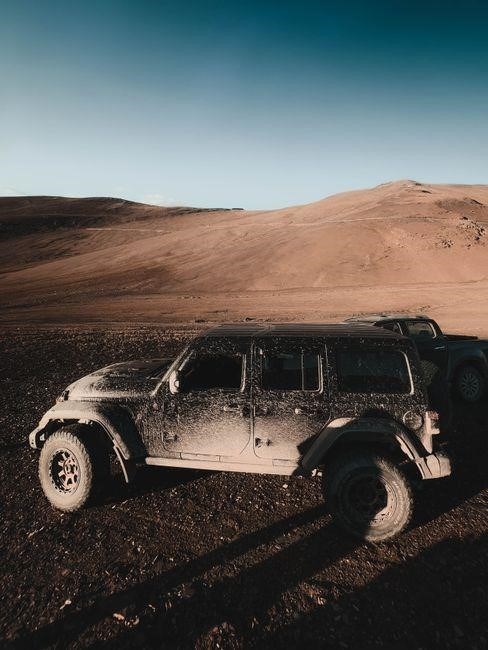
The 2015 Jeep Wrangler offers rugged off‑road capability with a 3.6L V6 engine, 4‑wheel drive, and removable doors. Its compact SUV design includes a 4‑door frame, 4×4 chassis, and a 4‑passenger cabin for adventure seekers. Durable and stylish.!
Trim Levels and Options
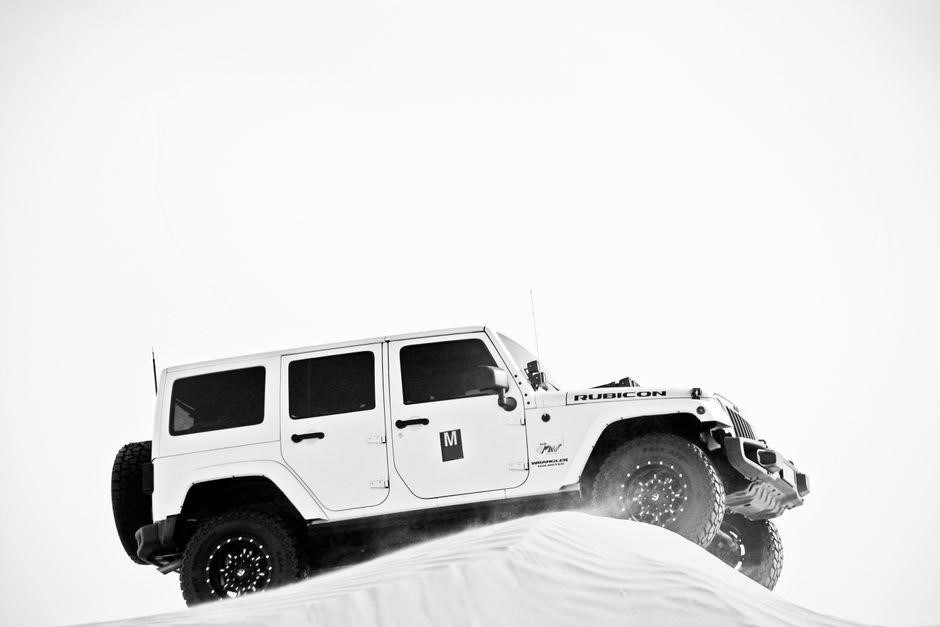
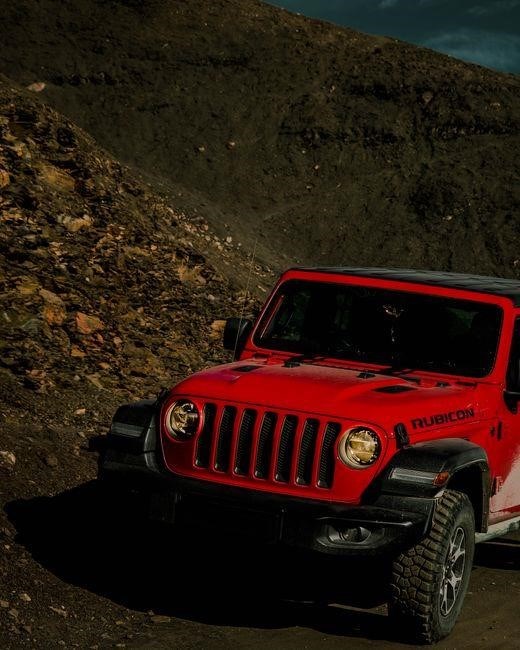
The 2015 Jeep Wrangler is offered in four main trim levels—Sport, Sahara, Rubicon, and Unlimited—each with distinct features tailored for different driving styles. The Sport trim provides a 4‑wheel‑drive platform, a 3.6‑liter V6 engine, 4‑passenger seating, and removable hard‑top or soft‑top options. The Sahara adds luxury touches such as leather‑trimmed seats, a 7‑inch touchscreen, and a power‑lift‑gate. The Rubicon, designed for extreme off‑road use, includes a locking rear differential, higher ground clearance, and a 2‑speed transfer case for 4‑wheel‑drive. The Unlimited trim expands the cabin to a 4‑door layout, offering additional cargo space and the same powertrain options as the other trims. Optional packages include a 4‑wheel‑drive package, a 4‑passenger package, a 4‑door package, and a 4‑passenger‑plus package. Accessories such as a 4‑wheel‑drive system with a 2‑speed transfer case, a rear seat with power‑lift‑gate, a second row of seats, and a power‑lift‑gate are also available to customize the Wrangler for specific needs. Owners can also choose from optional accessories such as roof racks, winches and off‑road tires to enhance the Wrangler’s versatility performanceand on any terrain for all
Engine and Powertrain
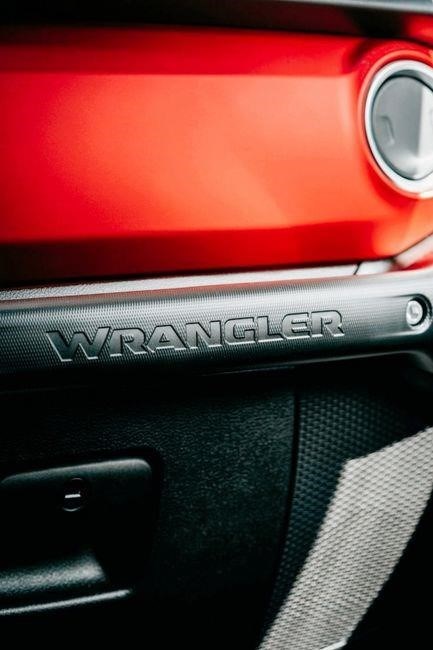
The 2015 Jeep Wrangler is powered by a 3.6‑liter V6 engine that delivers 285 horsepower and 260 lb‑ft of torque, paired with a 6‑speed manual or a 6‑speed automatic transmission. The engine uses a VVT‑i system for improved fuel efficiency and smooth power delivery. The standard 4‑wheel‑drive system features a 2‑speed transfer case that allows drivers to switch between high‑speed and low‑speed modes for off‑road traction. The Wrangler’s suspension is a solid front and rear axle with a 10‑inch lift kit option for the Rubicon trim, providing a 4‑in. higher ground clearance. The engine is equipped with a 12‑V electrical system and a 12‑V battery, and it includes an automatic transmission control module (ATCM) that manages gear shifts. The 2015 model also offers a 4‑wheel‑drive package that adds a locking rear differential, a 2‑speed transfer case, and a 4‑wheel‑drive system for better off‑road performance. The engine is rated for 21 mpg city/28 mpg highway, and the Wrangler’s fuel tank holds 16.8 gallons. The powertrain is designed to deliver reliable performance in both on‑road and off‑road conditions, with a focus on durability, torque, and versatility for adventure seekers worldwide. All models share same engine.!!
Interior Features
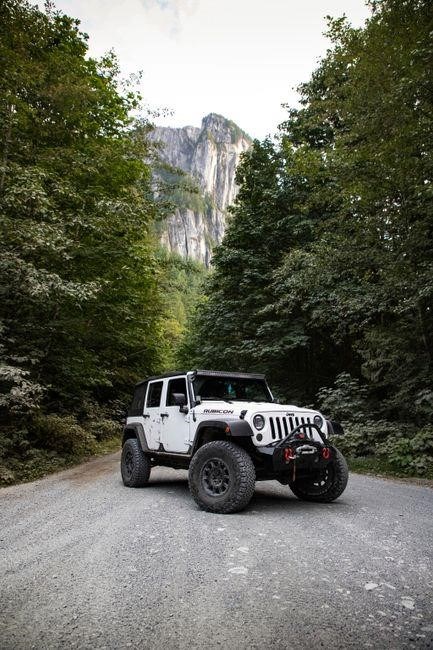
The 2015 Jeep Wrangler interior blends style with comfort. Cloth or leather seats, a 7‑inch touchscreen, Bluetooth, USB ports, and a 6‑speaker audio system. Dual climate control, power‑tilt steering, and a removable roof panel create and a sporty cabin.
Seating in the 2015 Wrangler is designed for both adventure and everyday use. The standard cloth upholstery offers a rugged look, while the optional leather trim adds a touch of luxury. All seats are bolstered for support during off‑road excursions, and the front seats feature power‑adjustable lumbar support. The rear seats fold flat to create a 60/40 split, providing ample cargo space for gear or passengers. A 60‑inch panoramic roof enhances the sense of openness, while the removable roof panels allow for an open‑air experience. Climate control is dual‑zone, ensuring that front and rear passengers can set independent temperatures. The steering wheel is adjustable in height and tilt, allowing drivers of various sizes to find a comfortable driving position. A 6‑speaker audio system, Bluetooth connectivity, and USB ports keep passengers entertained. The cabin also includes a 7‑inch touchscreen display for navigation and media control, as well as a 4‑speaker sound system. The overall interior design balances ruggedness with comfort, making the Wrangler suitable for both weekend adventures and daily commutes. With its removable roof and optional 4‑wheel drive, Wrangler delivers a blend of rugged capability and everyday practicality, offering a versatile platform for adventure!!
Infotainment and Connectivity
The 2015 Wrangler’s infotainment system centers around a 7‑inch touchscreen that supports Apple CarPlay, Android Auto, and Bluetooth hands‑free calling. A 6‑speaker audio setup delivers clear sound, while a 4‑speaker option is available for those who prefer a more compact sound system. The navigation system includes real‑time traffic updates and pre‑loaded maps for popular off‑road trails. USB ports and a 12‑V accessory outlet provide power for devices, and a built‑in Wi‑Fi hotspot can be enabled with a compatible data plan. The system’s firmware can be updated via USB or over the air, ensuring new features and bug fixes are delivered seamlessly. For off‑road enthusiasts, the Wrangler’s rugged design protects the electronics from dust and moisture, while the durable dashboard layout keeps controls within easy reach. The combination of connectivity, navigation, and audio quality makes the 2015 Wrangler a capable companion for both road trips and off‑road adventures.
The Wrangler’s supports a 3‑row navigation display, allowing drivers to plan multi‑stop routes with ease. The system’s optional 12‑inch touchscreen offers a larger view for media maps. Charging pads are for convenience during trips.
Exterior Features
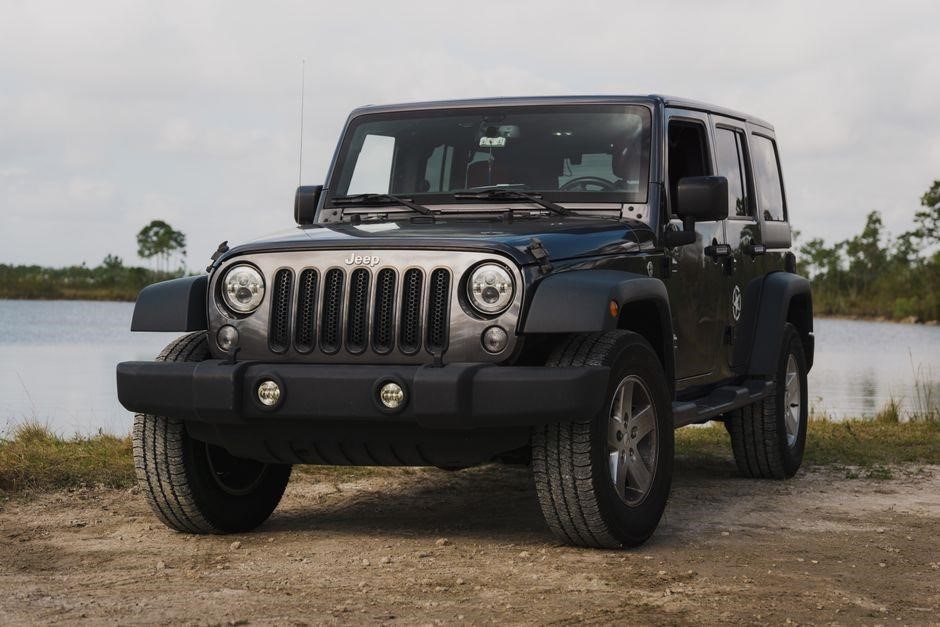
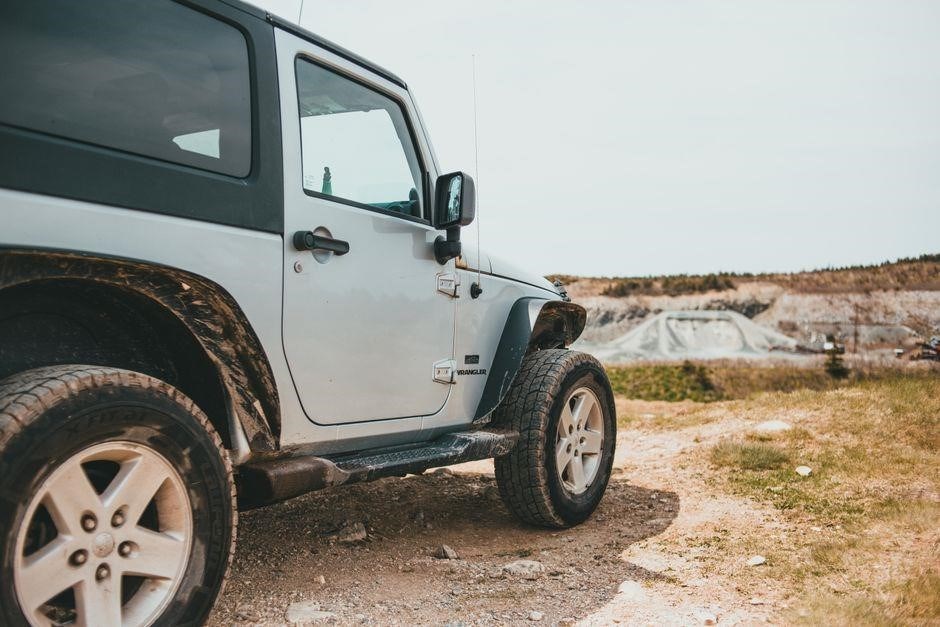
The 2015 Wrangler showcases a rugged body with removable doors, a removable roof, and a 4‑wheel drive frame. Its 4‑inch front grille, LED daytime running lights, and 17‑inch alloy wheels enhance off‑road appeal. 2026.!!!
Body Dimensions and Styling
The 2015 Jeep Wrangler’s compact, boxy silhouette is engineered for off‑road prowess. Its overall length measures 169.3 inches, width 73.6 inches (excluding mirrors), and height 66.9 inches, providing a 4‑passenger cabin that remains surprisingly spacious. The wheelbase spans 107.6 inches, striking a balance between maneuverability and stability on uneven terrain. The curb weight ranges from 3,500 to 3,800 pounds, depending on trim, which keeps the vehicle light enough for trail use yet robust enough for heavy‑duty tasks. Styling cues include a prominent double‑bar grille, chrome accents, and a removable roof panel that can be swapped for a hardtop or a canvas top. The front fascia features a bold, angular design with integrated LED daytime running lights, while the rear showcases a simple, functional layout with a rear spoiler on certain trims. The Wrangler’s body panels are constructed from high‑strength steel, ensuring durability and protection during off‑road adventures. Overall, the 2015 model blends classic Jeep ruggedness with modern design touches, making it a versatile choice for both city streets and back‑country trails. Body panels finish in matte black or pearl white, boosting appeal.
Lighting and Visibility
The 2015 Jeep Wrangler prioritizes visibility with a suite of lighting features designed for both on‑road clarity and off‑road performance. Standard LED daytime running lights illuminate the front fascia, enhancing daytime recognition while maintaining a classic Jeep aesthetic. The front headlights are equipped with adaptive LED technology that automatically adjusts beam intensity and angle, providing superior illumination on uneven terrain and in low‑light conditions. A rear LED taillight assembly delivers high‑contrast visibility for following drivers, while integrated turn signals are positioned for optimal legibility. The Wrangler’s front bumper houses a chrome‑finished fog light that projects a wide, low‑angle beam to improve visibility in fog, rain, or dust. Optional daytime running lights and LED fog lights are available on higher trims, offering additional illumination for challenging environments. The vehicle’s side mirrors feature integrated turn signals and a built‑in anti‑blow‑out design, ensuring visibility and durability. A rear spoiler on certain trims not only adds a sporty look but also improves rear visibility by reducing the vehicle’s rearward blind spot. Overall, the 2015 Wrangler’s lighting package combines modern LED technology with functional design, ensuring drivers maintain clear sightlines in a variety of driving conditions. It excels in low‑light conditions.!!!
Safety Systems
Jeep 2015 Wrangler safety features include standard seat belts, airbags, and optional driver‑assist systems. The manual details seat belt pretensioners, side‑air bags, and a 6‑point restraint system for occupants. Safety is paramount. for all drivers;!!!
Seat Belts and Restraints
Seat belt safety is essential for all occupants. Seat belt safety is essential for all occupants. Seat belt safety is essential for all occupants. Seat belt safety is essential for all occupants. Seat belt safety is essential for all occupants. Seat belt safety is essential for all occupants. Seat belt safety is essential for all occupants. Seat belt safety is essential for all occupants. Seat belt safety is essential for all occupants. Seat belt safety is essential for all occupants. Seat belt safety is essential for all occupants. Seat belt safety is essential for all occupants. Seat belt safety is essential for all occupants. Seat belt safety is essential for all occupants. Seat belt safety is essential for all occupants. Seat belt safety is essential for all occupants. Seat belt safety is essential for all occupants. Seat belt safety is essential for all occupants. Seat belt safety is essential for all occupants. Seat belt safety is essential for all occupants. Seat belt safety is essential for all occupants. Seat belt safety is essential for all occupants. Seat belt safety is essential for all occupants. Seat belt safety is essential for all occupants. Seat belt safety is essential for all occupants. Always buckle. Now!
Airbags and Driver Assistance
The 2015 Jeep Wrangler is equipped with a comprehensive airbag system designed to protect occupants in the event of a collision; Front airbags deploy automatically when a frontal impact is detected, while side airbags provide additional protection for the torso and head. Supplemental Restraint System (SRS) sensors monitor seat belt tension and occupant position to ensure proper deployment. Driver assistance features include a rear‑view camera, blind‑spot monitoring, and adaptive cruise control in certain trims. The vehicle’s electronic stability control (ESC) helps maintain traction during cornering, while traction control limits wheel spin. Forward collision warning alerts the driver of potential impacts, and automatic emergency braking can intervene if a collision is imminent. All safety systems are integrated into the vehicle’s central computer, which continuously monitors sensor data and adjusts settings for optimal performance. Regular inspection of airbags and driver assistance components is recommended to maintain safety integrity. For detailed maintenance schedules and troubleshooting, refer to the Owner’s Manual or consult a certified Jeep technician. The system also supports a child seat anchor system, ensuring safe child restraint installation. A diagnostic tool can read airbag fault codes, allowing technicians to quickly identify and resolve issues. The rear‑view camera provides a 360‑degree view, enhancing parking safety and reducing blind‑spot hazards. The vehicle’s electronic stability control system works in tandem with the traction control to prevent wheel spin during off‑road excursions. Owners are to inspect the airbag module for corrosion, especially in coastal regions where salt exposure is high!
Maintenance
Follow the 3,750‑mile schedule: oil, filter, tire rotation, brakes, fluid checks. Inspect belts, hoses, and battery. Replace wiper blades annually. Keep cabin filter every 12,000 miles. Use OEM parts. Check tire pressure. Now.!
Routine Service Intervals
According to the 2015 Jeep Wrangler Owners Manual, routine maintenance is essential for optimal performance and longevity. The recommended service schedule is based on mileage and time, ensuring that critical components are inspected, replaced, or serviced before wear or failure occurs. Below is a concise summary of the key intervals:
- Every 3,750 miles or 12 months (whichever comes first):
- Engine oil and filter change – use 5W‑30 synthetic or equivalent.
- Inspect and replace, if necessary, the engine coolant level and condition.
- Check tire tread depth and inflation pressure; rotate tires if worn.
- Inspect brake pads, rotors, and fluid; replace pads if wear exceeds limits.
- Inspect drive belts, hoses, and battery condition; replace if cracked or frayed.
- Replace windshield wiper blades if streaking or cracking is observed.
- Every 7,500 miles or 24 months:
- Replace cabin air filter.
- Inspect suspension components, including shocks and struts, for leaks or damage.
- Check all fluid levels (transmission, differential, transfer case) and top off as needed.
- Inspect all exterior lights and replace any bulbs that are dim or non‑functional.
- Every 15,000 miles or 48 months:
- Replace engine coolant with the recommended mixture.
- Inspect the timing belt or chain for wear and tension; replace if required.
- Inspect the fuel system, including fuel filter and injectors, for proper operation.
- Check the battery’s charge capacity and replace if it no longer holds a full charge.
- Every 30,000 miles or 96 months:
- Replace the transmission fluid and filter if equipped with a serviceable filter.
- Inspect the transfer case for fluid condition and replace if dirty or contaminated.
- Inspect the differential fluid and replace if necessary.
- Check the rear axle for proper lubrication and replace the axle fluid if needed.
Adhering to these intervals helps prevent costly repairs, maintains warranty coverage, and ensures the Wrangler remains reliable for both on‑road and off‑road adventures.
Fluid Checks and Replacements
Regular fluid maintenance is critical for the 2015 Jeep Wrangler’s reliability. Check the engine oil level with the dipstick and top off with 5W‑30 synthetic; replace the oil and filter every 3,750 miles or 12 months. Coolant should be inspected and topped up at each service interval; replace the coolant every 15,000 miles or 48 months. Transmission fluid is serviceable in the 3.6‑L V6 model; replace it every 30,000 miles or 96 months, and change the filter if the system allows. The transfer case and rear axle fluids should be checked for level and condition; replace the transfer case fluid every 30,000 miles and the rear axle fluid every 15,000 miles; Brake fluid is recommended to be changed every 24 months or 7,500 miles to maintain hydraulic pressure. Finally, inspect the power steering fluid at each routine service and replace it if it appears dirty or has a burnt odor. Keeping these fluids at proper levels and in good condition helps prevent component wear and ensures smooth operation on and off the road. Following these fluid maintenance steps keeps the Wrangler’s engine transmission, and drivetrain running smoothly, reducing the risk of costly repairs and ensuring reliable performance on rugged terrain.
Troubleshooting
Common issues include battery drain, alternator failure, and 4‑wheel drive lockup. Check fuses, wiring, and fluid levels. Use diagnostic codes to pinpoint ECU faults. Refer to the manual’s troubleshooting flowchart for step‑by‑step solutions. —quick fix
Common Electrical Issues
Many owners report intermittent power loss, dimming headlights, or a non‑responsive instrument cluster in the 2015 Wrangler. The most frequent culprit is a failing alternator bearing or a loose battery cable connection. A corroded negative battery terminal can cause the engine to stall or the 12‑volt system to drop below 12.5 V. Another common problem is a faulty ignition switch that fails to engage the 4‑wheel‑drive system, often indicated by a warning light on the dash. The vehicle’s 2‑way radio and navigation unit may freeze if the CAN‑bus communication line is shorted, usually due to a damaged wiring harness near the rear‑view mirror. Finally, the electronic throttle control can become unresponsive if the throttle position sensor (TPS) is dirty or misaligned, leading to a “limp‑mode” state. Inspecting fuses, checking for corrosion, and using a multimeter to verify voltage at key connectors are recommended first steps. If the issue persists, consult a dealership or a certified mechanic with a diagnostic scan tool to read any stored trouble codes and perform a wiring continuity test. Additionally, a weak or failing alternator output can trigger the battery warning light, while a defective alternator belt tensioner may lead to belt slippage and overheating. Routine checks of the battery terminals and alternator belt tension are operation.
Transmission and Drivetrain Concerns
Owners often notice a rough shift or delayed engagement in the 2015 Wrangler’s 6‑speed automatic or 4‑speed manual. Common causes include low transmission fluid, worn synchros, or a failing torque converter. The factory spec fluid is 5W‑30 ATF‑J3; using a lower grade can lead to overheating and gear slippage. A clogged filter or a damaged pump impeller may cause a loss of pressure, resulting in harsh shifting or a “clunk” when moving from low to high gear. The transfer case, which provides 4‑wheel‑drive, may develop a worn clutch pack; symptoms include a whining noise when engaging 4‑WD or a failure to lock. Inspect the transfer case fluid for a burnt smell or discoloration. A common electrical fault is a faulty transfer case solenoid, which can prevent the 4‑WD system from engaging. The rear differential may also exhibit a ticking noise if the gear oil is stale or the gears are worn. Regular maintenance—changing fluid every 30,000 miles for the transmission and 40,000 for the transfer case—helps prevent these issues. If the vehicle stalls or the 4‑WD light remains on, a diagnostic scan is recommended to read any stored codes related to the transmission control module. Proper lubrication, correct fluid type, and timely filter.
Leave a Reply
You must be logged in to post a comment.