singer esteem ii manual
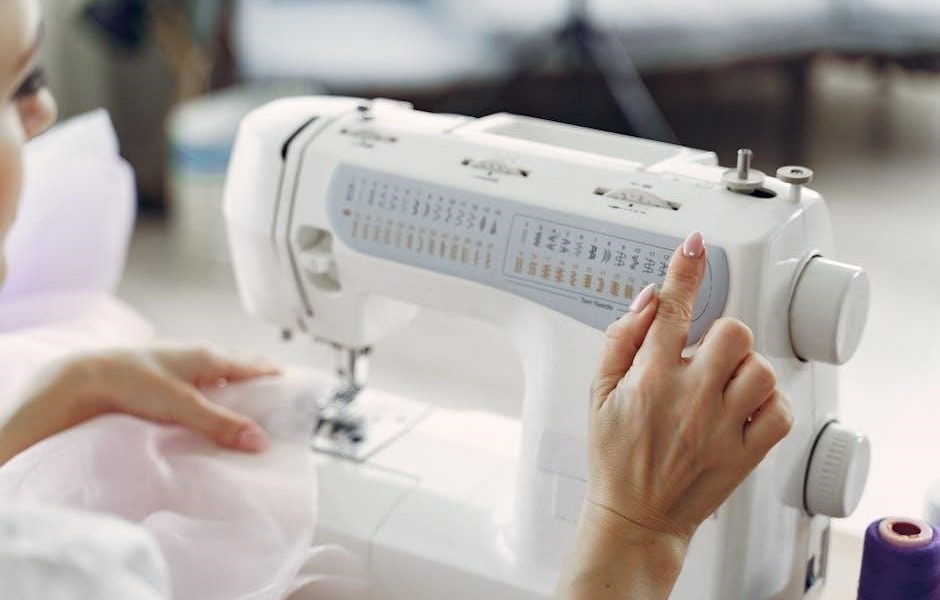
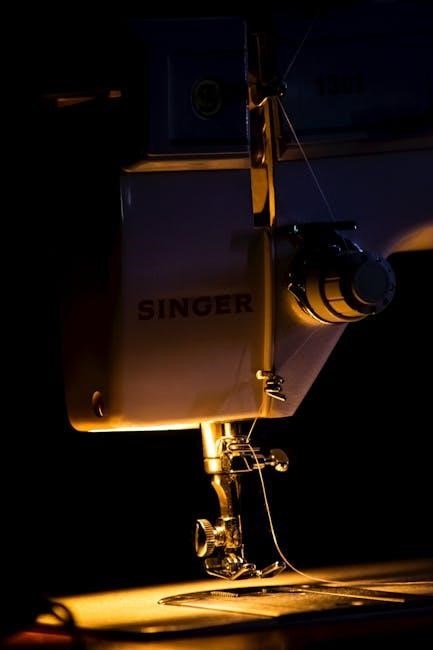
The Singer Esteem II is a versatile sewing machine designed for both beginners and experienced crafters. It offers a wide range of functions to ensure quality results for every single creative sewing project now.
Where to Find the Official Singer Esteem II Manual
Locating the comprehensive guide for your device is essential for mastering its capabilities. The primary source for obtaining an authentic digital copy is the manufacturer’s official website. By navigating to the support section and entering your specific model number, you can download a PDF version immediately. This ensures you have the most current instructions available at your fingertips. If you prefer a physical book, check the original packaging or contact the retailer where the purchase was made. Many authorized sewing centers keep archives of these documents for their customers. Additionally, contacting customer service via phone or email can provide a direct link to the necessary documentation. Ensure that you are downloading files from legitimate sources to avoid incorrect specifications or outdated advice. Having the correct documentation allows you to maximize the utility of your equipment while ensuring longevity through proper usage. Always keep a printed copy near your workspace for quick reference during complex tasks. This approach guarantees that every detail is accessible whenever a technical question arises during your creative journey now.
Overview of Machine Features
This advanced machine combines modern technology with intuitive design to provide a seamless sewing experience. Its robust build and diverse capabilities make it an excellent choice for various fabric types and artistic endeavors today.
Understanding the Control Panel
The control panel serves as the primary interface for interacting with your device, featuring a clear digital display that communicates essential information. Users can navigate through various options using the intuitive buttons located on the front panel. This layout is designed for efficiency, allowing for quick selections and easy modifications to your current settings. The backlit screen ensures visibility in all lighting conditions, making it simple to verify your choices before starting any task. Every button has a specific purpose, guiding the operator through the machine’s logic with minimal effort. By mastering this interface, you gain full control over the mechanical operations, ensuring that every action is precise and intentional. The tactile feedback of the keys provides confidence during use, while the organized arrangement minimizes confusion for those who are new to this specific model. Understanding how to read the symbols and prompts on the display is key to maximizing the potential of your equipment, transforming complex tasks into simple, manageable steps for every single user who wants perfection in their daily work.
Guide to Built-in Stitches
The variety of built-in stitches allows for a wide array of creative expressions and functional finishes. Users can choose from several categories, including basic utility stitches, decorative patterns, and overcasting options. Utility stitches are essential for structural seams, while decorative options add a professional touch to hems or borders. The overcasting stitches help prevent fabric fraying, ensuring that the interior of your garment remains clean and durable over time. Selecting the right pattern depends entirely on the fabric type and the desired look of the project. By experimenting with the available options, you can achieve a professional finish on any textile, from light silks to heavy denims. Each stitch is engineered to provide stability and aesthetic appeal, making the process of garment construction much more enjoyable. Whether you are quilting or tailoring, these pre-programmed patterns offer a seamless way to integrate complex designs without needing manual adjustments. Exploring this diverse library of options unlocks the true potential of your creative vision, allowing for intricate detailing on every single piece created by a user.
Automatic Buttonhole Settings
The automatic buttonhole feature simplifies the creation of perfectly sized openings for any garment. To begin, the user places the button into the designated holder on the accessory foot, which allows the machine to calculate the exact dimensions required for that specific button. Once the fabric is positioned correctly under the foot, the system automatically executes the stitching sequence. This process includes the four sides of the hole and the final reinforcement bars, ensuring a secure and professional result every time. Consistency is key when making multiple buttons, and this automated function removes the guesswork associated with manual measuring. By following the guided steps, you can ensure that every buttonhole is uniform in length and width across the entire piece of clothing. This specialized setting reduces the risk of errors and saves significant time during the final stages of garment assembly. It is an invaluable tool for anyone looking to achieve premium tailoring results without needing advanced skills in manual buttonhole construction or complex measurements for every single button used in tailoring.
Setting Up Your Machine
Preparing your equipment correctly ensures a smooth sewing experience. Start by placing the device on a sturdy, flat surface. Connect the power cord and turn the switch on to begin your creative journey now.
Winding the Bobbin
To begin winding the bobbin, place your chosen thread spool on the spool pin. Secure it with the spool cap to prevent the thread from slipping off during the process. Guide the thread through the first bobbin winding tension disc, making sure it is seated firmly. Next, slide an empty bobbin onto the bobbin winder spindle. Pass the thread through the small hole in the bobbin and push the bobbin firmly down onto the shaft. Now, push the bobbin winder spindle to the right to engage the winding mechanism. Hold the end of the thread for a few seconds and press the foot pedal to start the machine. The bobbin will spin rapidly, filling with thread evenly. Once the bobbin is nearly full, release the foot pedal and push the winder spindle back to the left. Cut the thread carefully and remove the filled bobbin from the pin, ready for the next step in the sewing process. Ensure the thread is wound tightly and smoothly for optimal performance during your creative project today.
Threading the Upper Thread
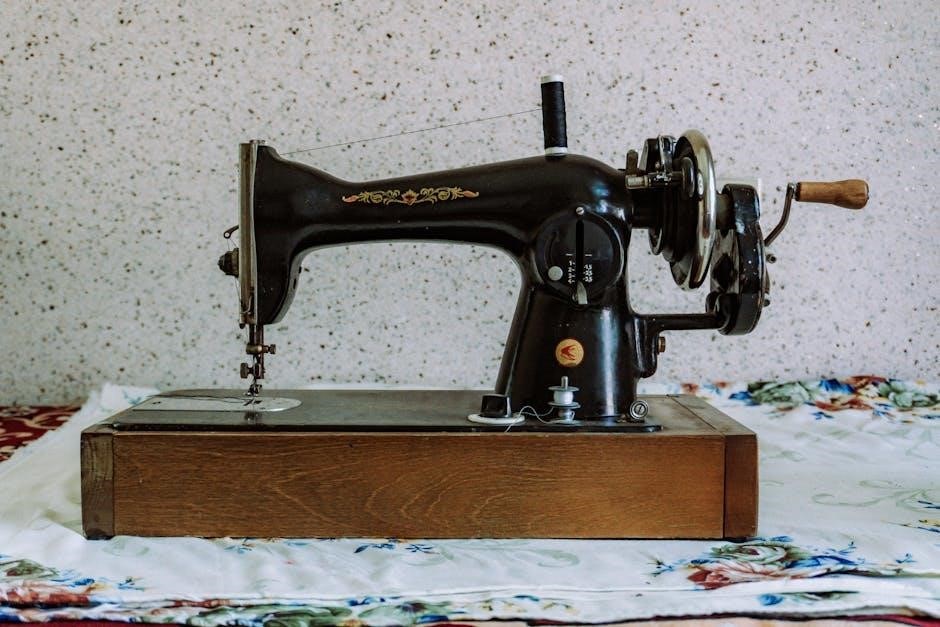
Start with the spool. Lead the thread through the guide. Go through the first hook. Down through the tension disks. Up through the take-up lever. Down through the needle thread guide. Finally, through the needle eye from front to back. Make sure the presser foot is up. Ensure the thread is seated correctly in the tension discs. Pull a few inches of thread to the back of the machine. Check for any snags or twists. The path must be clear to avoid skipping stitches. If the thread is not seated properly, the machine will not stitch correctly. Always double-check the path before starting your fabric. Using a high-quality thread helps the process. Ensure the spool cap is tight. The upper thread must be taut but not overly tight. Follow each step precisely to ensure smooth operation. This specific sequence prevents common threading errors that plague many users. Once the needle is threaded, you are ready to combine it with the lower thread to begin your sewing journey on this advanced equipment right now.
Inserting the Bobbin
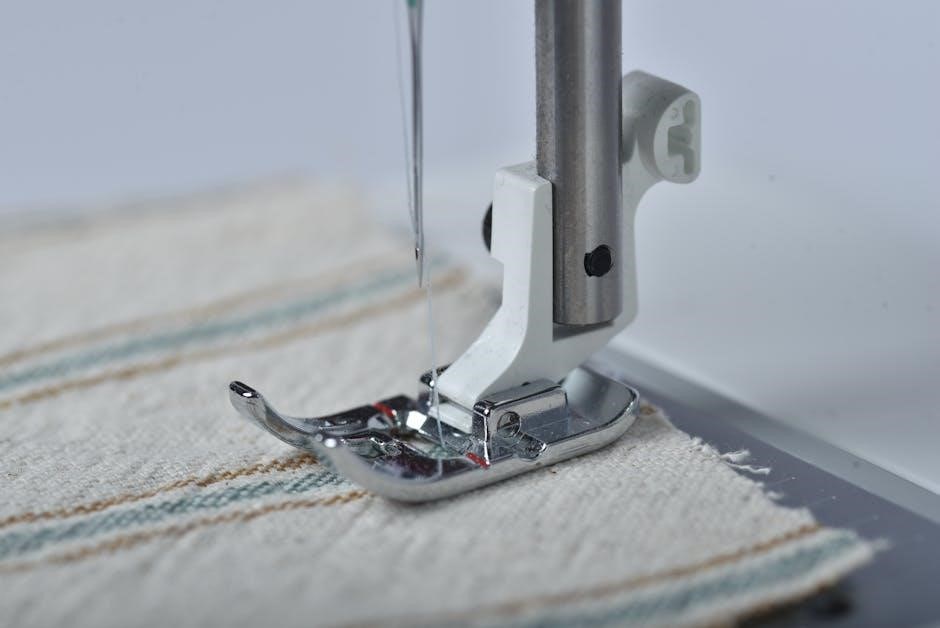
To begin, open the bobbin cover located on the base of your sewing device. Carefully place the wound bobbin into the bobbin case, ensuring it is positioned correctly. The thread should unwind in a counter clockwise direction, appearing like a letter P when viewed from above. Gently push the bobbin down until it sits flush within the holder. Now, guide the thread through the narrow slit in the bobbin case, pulling it firmly to the left to lock it into the tension spring. This step is crucial for maintaining consistent stitch quality throughout your garment construction. Once the thread is securely seated, slide the clear plastic cover back into place until it clicks shut. Avoid forcing the cover, as this might damage the internal mechanism. Ensure the bobbin is not wobbling or tilted, as this can lead to jamming during the sewing process. Your machine is now prepared for the next stage of the process. Proper placement ensures a smooth flow of lower thread, preventing knots or bunching under your fabric surface today.
Basic Operation Guide
Mastering the fundamental functions of your device allows you to create professional garments. This section provides the essential knowledge needed to operate the machine safely and effectively during your daily sewing activities right now.
Adjusting Stitch Length and Width
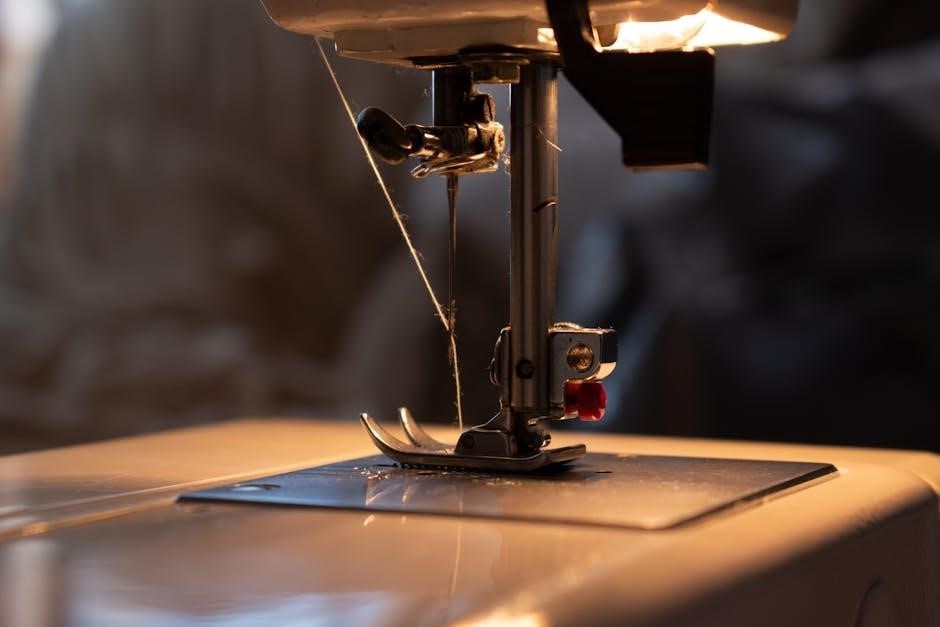
To customize your sewing results, you must learn how to modify the distance between stitches and the horizontal spread of the thread. The length determines how long each individual stitch is, which is crucial for tasks like basting or topstitching. Usually, a shorter length is ideal for secure seams, while a longer length works better for decorative edges. Width refers to the lateral distance of the needle’s movement, primarily affecting zigzag or decorative patterns. If you set the width to zero, you will create a straight stitch. Adjusting these parameters allows you to adapt the machine for different fabric types, from delicate silks to heavy denims. Use the dedicated dials or digital buttons to adjust these settings based on your specific design requirements. By experimenting with various combinations, you can achieve a professional finish on all your textiles. Always test your settings on a small scrap piece of matching fabric to ensure the tension and dimensions are perfect before starting your final project today. This simple step ensures the highest quality work possible.
Changing the Presser Foot
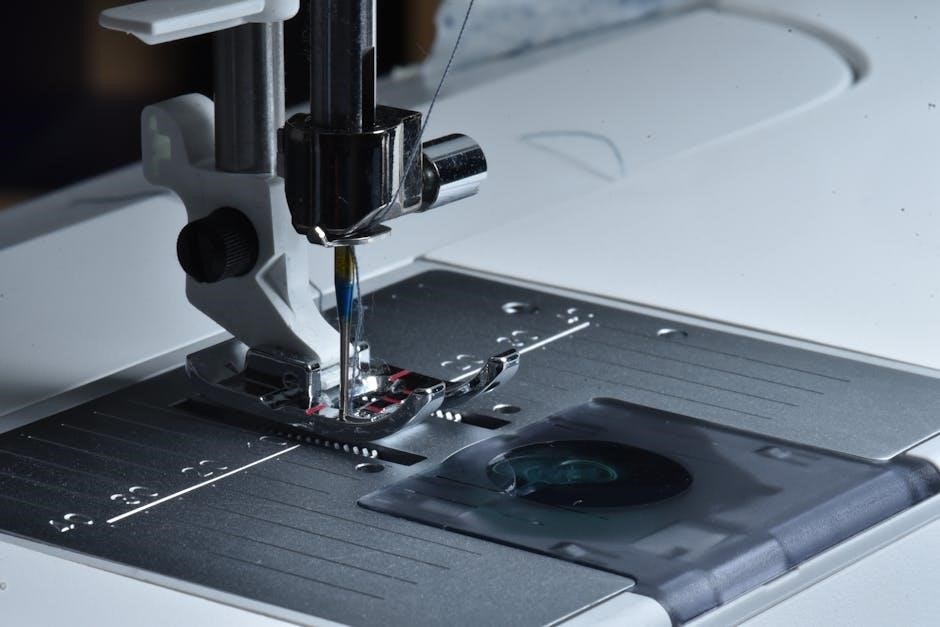
Selecting the correct presser foot is essential for achieving precise results on your sewing projects. To change the foot on your machine, first raise the presser foot lever fully. Locate the release mechanism, often a snap-on or screw-type system, and gently press it to detach the current attachment. Once the old foot is removed, align the new accessory with the foot holder. Press it firmly until you hear a click, indicating that it is securely locked into place. There are various specialized feet available, such as the zipper foot for close edges or the buttonhole foot for professional openings. Each specific tool serves a unique purpose, helping you guide the fabric more accurately through the needle. Always ensure the foot is properly seated to avoid skipping stitches or fabric bunching during operation. By mastering this simple process, you can easily transition between different sewing techniques. Remember to keep your various feet organized in their storage compartment for quick access whenever you switch tasks during your creative crafting sessions today. This is truly essential.
Maintenance and Care
Keeping your equipment in top condition is vital for great performance. Regular checkups prevent mechanical failure and ensure that every stitch remains perfect; Follow the suggested schedule to keep your device running smoothly now.
Cleaning and Oiling the Machine
To maintain optimal performance, you must regularly remove lint and dust from the internal components. Start by turning off the power and removing the needle plate. Use a small brush or a vacuum attachment to clear away fabric debris from the bobbin area. Avoid using compressed air, as it can push lint deeper into the mechanism. Once the area is clean, apply a single drop of premium sewing machine oil to the designated lubrication points. Only use oil specifically made for sewing machines to prevent gumming or damage. Excessive oiling can lead to stains on your fabric, so be precise. Check the guide for the exact locations that require lubrication. Consistent cleaning prevents the motor from straining and reduces noise during operation. If you notice the machine sounding harsh or skipping stitches due to debris, it is time for a deep clean. Regular upkeep ensures that the internal gears move freely and the timing remains accurate for years of reliable service and premium sewing results. This habit ensures your tool works perfectly daily.
Replacing the Sewing Needle
Using a sharp needle is essential for achieving clean stitches and avoiding fabric damage. To begin the process, turn off the power switch and raise the needle wheel to its highest point. Loosen the needle clamp screw using the appropriate screwdriver provided with your machine. Gently slide the old needle out of the needle bar. Select a replacement needle that matches your specific fabric weight and type, such as universal, denim, or jersey. Insert the new needle firmly into the clamp, ensuring that the flat side faces the correct direction as specified in the technical guidelines. Push the needle up until it reaches the top stopper before tightening the clamp screw securely. Do not over-tighten, as this could damage the mechanism. Test the needle on a scrap piece of cloth to ensure it is seated correctly and not bending. Replace your needle every eight hours of sewing or whenever you start a new project to maintain professional quality and prevent skipped stitches or pulls. This simple maintenance step keeps your sewing experience smooth.
Troubleshooting Common Issues
When facing unexpected sewing difficulties, identifying the root cause is key to a quick fix. If you encounter thread bunching beneath the fabric, check for thread jams around the lower case or ensure the top strand is properly seated. Puckering often indicates that the tension settings are incorrect for your chosen material; try adjusting the dial slightly to balance the stitch. If the machine suddenly stops feeding fabric, verify that the feed dogs are not lowered or blocked by debris. For instances where the machine makes unusual loud noises, check for any foreign objects trapped in the shuttle race. If the thread breaks frequently, examine the spool for knots or ensure you are using a high-quality polyester thread. Always double-check that the foot is lowered before starting to sew. Should these steps fail to resolve the problem, consult the technical support section or a certified technician to avoid further damage. Maintaining a steady pace and using the correct accessories helps minimize these common hurdles during your entire creative sewing process right here today.
Leave a Reply
You must be logged in to post a comment.